

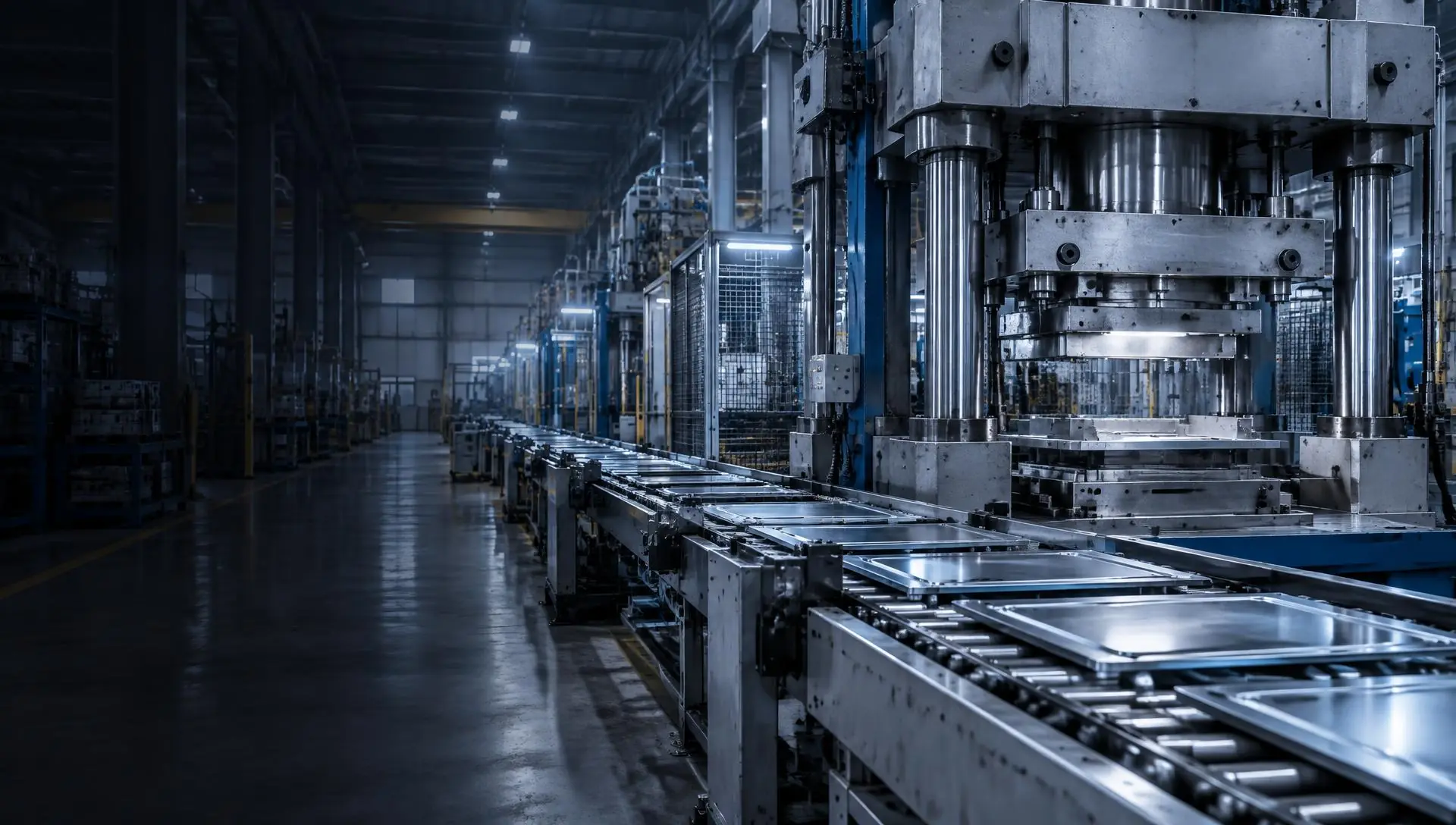
An industrial accident claim is a legal claim that can follow an injury or death in a factory, warehouse, distribution center or manufacturing plant. It asks whether someone with a legal duty, such as an equipment maker, a seller or a property owner, failed that duty and caused the harm. State law decides most of the rules.
Most people facing this are not reading out of curiosity. You may be home from the hospital after a forklift strike or a machine caught a hand, or you may be a parent or spouse trying to understand what happened on a shift that changed everything. The bills are arriving, work may be on hold, and nobody has explained who, if anyone, is responsible.
This guide is for injured workers and their families. It walks through the settings and hazards behind these cases, the legal theories that can apply, how fault rules and deadlines differ by state, and the facts that usually matter. How any claim turns out depends on its own facts.
If You Were Hurt at Work: What an Industrial Accident Claim Is
The phrase covers a wide range of events: a fall from a loading dock, a crush injury at a press, a chemical exposure on a production line. What turns an injury into a claim is a legal theory, such as negligence, premises liability or product liability. Each asks its own questions about who had a duty and whether that duty was met.
The theory matters because it decides who a claim can be brought against and what has to be shown. A fall on a poorly kept floor points toward the people who controlled the property. A guard that failed on a machine points toward the people who designed, built or sold it. Many accidents involve more than one of these at once, and serious industrial injuries often involve several parties.
If you are trying to make sense of an accident, a useful first question is simply what caused it: the condition of the place, the equipment, or both. That answer often shapes which theories an attorney may look at.
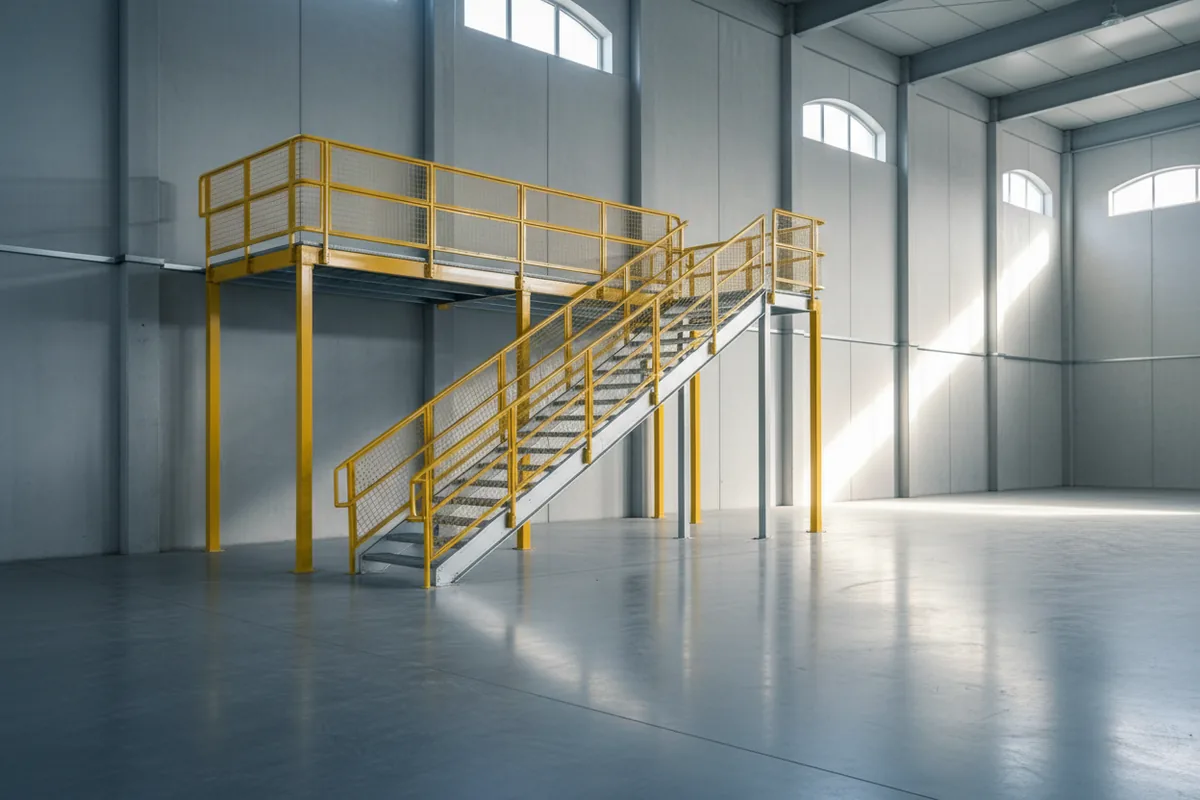
The Settings and Hazards That Produce These Claims
The Occupational Safety and Health Administration (OSHA) describes the warehousing and storage industry as one that includes facilities for "general merchandise, refrigerated goods, and other products." In its warehousing overview, OSHA lists potential hazards "associated with powered industrial trucks (forklifts), ergonomics, material handling, hazardous chemicals, slip/trip/falls, and robotics." It names the most common injuries as "musculoskeletal disorders (mainly from overexertion in lifting and lowering) and being struck by powered industrial trucks and other materials handling equipment."
Chemicals are their own category. Under OSHA's Hazard Communication Standard, chemical manufacturers and importers must evaluate the hazards of their chemicals and prepare labels and safety data sheets. Employers with hazardous chemicals in their workplaces "must have labels and safety data sheets for their exposed workers, and train them to handle the chemicals appropriately."
For an injured worker, the hazard involved shapes the questions a case raises. A forklift strike, a conveyor or robot entanglement, a press injury and falling inventory each point to different equipment, records and parties. Someone in this position may find it helpful to write down which equipment or material was involved and whether labels, safety data sheets or training were in place, since those details tie the event to the duties described above.
When a Third-Party Civil Claim May Also Be Available
A civil claim can run against a party other than the employer when that party's conduct or product contributed to the harm. The parties that sometimes come up are equipment manufacturers, component makers, distributors and sellers, property owners or occupiers, and contractors working on the same site. For an injured worker, this is what is at stake: whether anyone beyond the employer may be answerable for the losses.
Negligence is the most common theory. It asks whether a party owed a duty of care, broke it, and caused the injury and the losses that followed. Causation is often where these claims are tested.
Premises liability is the duty a property owner or occupier owes to people on the property. Product liability is covered in its own section below.
If you are weighing whether a third party was involved, it can help to list every company with a role at the site or in the equipment: who owned the building, who made or sold the machine, and which contractors were working nearby. Working out which theory, if any, fits those facts is a common topic in a first conversation with an attorney.
If You Are Told You Share the Blame: How Fault Rules Affect Recovery
Fault rules come into play when the injured person is said to share some of the blame. States answer that problem in very different ways.
Pure comparative fault
Under comparative fault, a person's own share of fault reduces the damages awarded rather than ending the claim. In its pure form, used in Washington, section 4.22.005 of the Revised Code of Washington provides that a claimant's contributory fault "diminishes proportionately the amount awarded as compensatory damages for an injury attributable to the claimant's contributory fault, but does not bar recovery."
Modified comparative fault
Texas uses a modified rule. Section 33.001 of the Texas Civil Practice and Remedies Code says a claimant "may not recover damages if his percentage of responsibility is greater than 50 percent." Under section 33.012, a claimant who is not barred has damages reduced "by a percentage equal to the claimant's percentage of responsibility."
Contributory negligence
Contributory negligence is the strictest approach. In Albritton, the Supreme Court of Virginia stated that "contributory negligence, when proven, is an absolute bar." That is Virginia's rule.
No one of these three rules applies everywhere. If you were hurt in an industrial accident, the state whose law governs can change the result even when the facts are the same, and how fault is divided is itself a question of fact. If someone has suggested you were partly to blame, two questions worth raising with an attorney are which state's law applies and how that state treats shared fault.
When a Machine Failed: Product Liability and Equipment Defects
Industrial equipment cases often raise product liability questions. A design defect claim says the product was built as intended but its design was unsafe. A manufacturing defect claim says one unit departed from its design. A failure-to-warn claim says the warnings or instructions were inadequate. In each one, an accident does not by itself show that a product was defective, and a defect still has to be tied to the harm. For an injured worker, this means the machine itself often becomes central evidence.
Filing Deadlines and Why They Differ by State
A statute of limitations is the period set by state law within which a civil lawsuit must be filed. Each state sets its own periods, and they also differ by the type of claim. For an injured worker or family, this means the clock that applies depends on both the state and the kind of claim.
Texas is one example. Section 16.003 of the Texas Civil Practice and Remedies Code requires a personal injury suit to be brought "not later than two years after the day the cause of action accrues," except as provided by sections 16.010, 16.0031 and 16.0045. For an action for injury resulting in death, suit is due no later than two years after the cause of action accrues, and the cause of action "accrues on the death of the injured person."
What Shapes the Strength of an Industrial Accident Claim
The facts that usually matter include:
- the way the injury happened
- who was present and what role each person or company had
- the condition and maintenance history of the equipment
- whether safety standards applied
- whether the injured person played any part in the accident
How the injury happened links the event to a legal theory. Who was present identifies the parties who may be answerable. The equipment's condition and maintenance history can point toward a defect or a failure to keep the site safe. Whether safety standards applied shows what duties were in place. The injured person's own part matters because of the fault rules described above. Industrial safety failures, such as missing training or missing protective gear, often sit at the center.
If you were hurt, the records that usually matter include medical records, incident and employer reports, photos or video of the scene and equipment, maintenance and inspection records, and witnesses' names. Families looking into an accident that caused a death often start with the same records.